
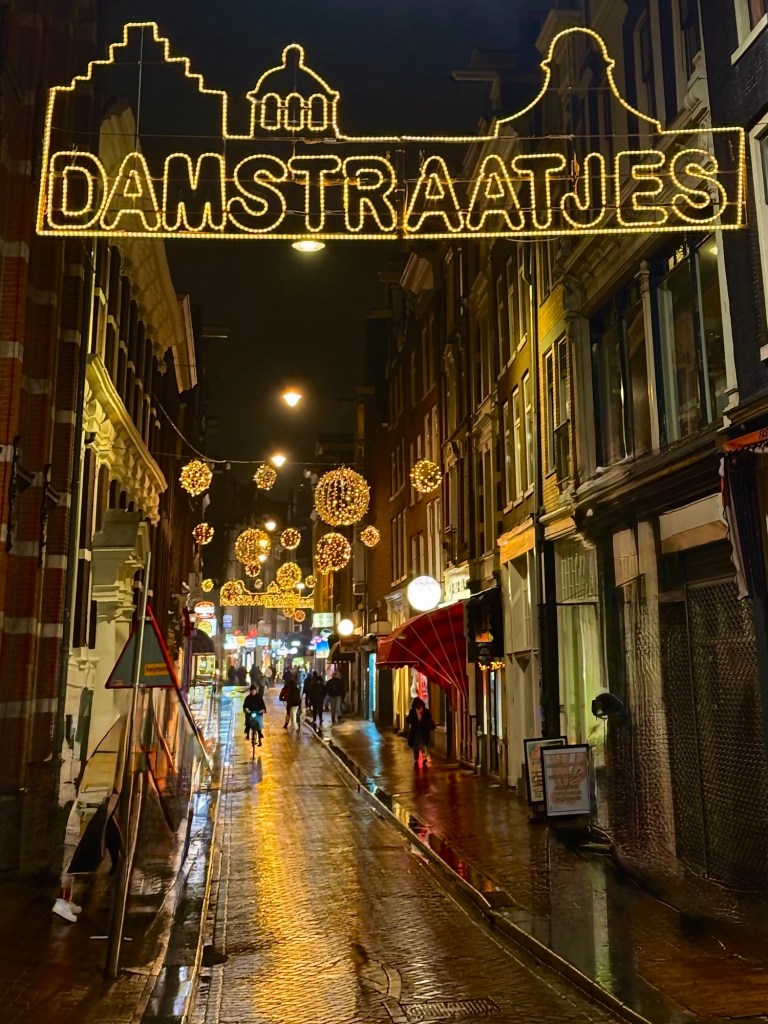
Amsterdam’s ethos as a tolerant society as accepting of others and of taboos such as prostitution (legal and thriving in the red light district), marijuana and other drug use( legal and somewhat regulated) has a history that belies this.
During the 1578, Amsterdam drove out its Catholic town counsel. Catholics were driven underground as they were no longer allowed to worship in public. Public churches were stripped of their statues and tributes to saints. Catholics were largely ignored as long as they kept their worship out of sight. A Catholic chapel was established in a private home unrecognizable from the street. In the heart of the Red Light District, a museum, Our Lord in the Attic still welcomes visitors there today.
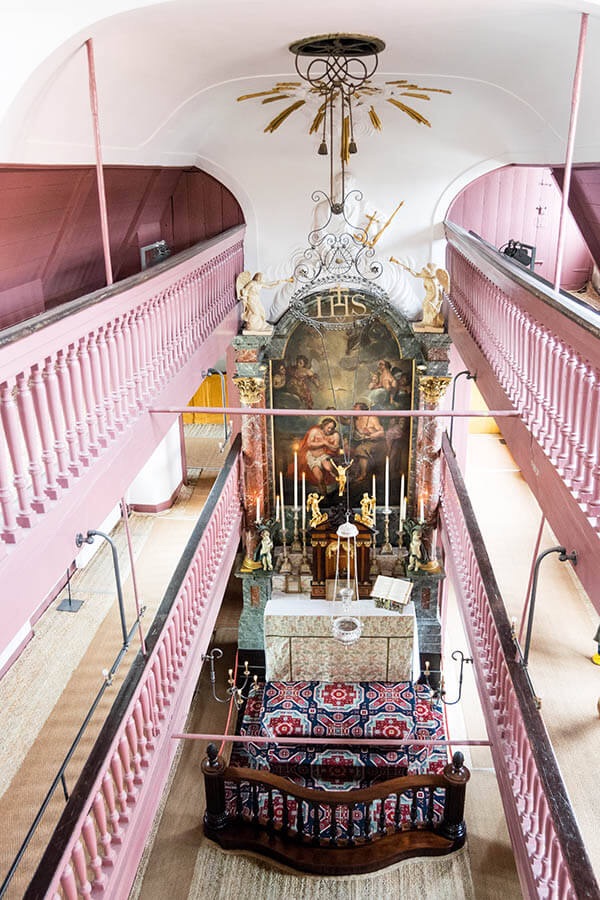
16th century Catholics
When nationalism and a rise in antisemitism intersected with a financial issue, Germany invaded the Netherlands and the deportation and extermination of Jews began.
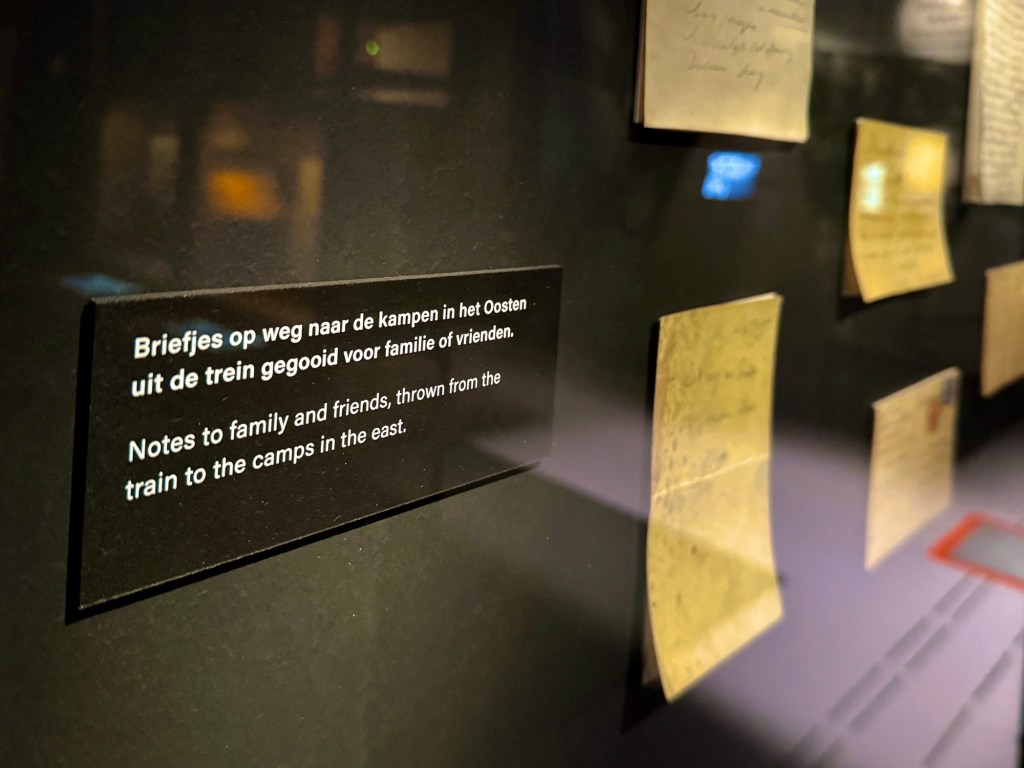
concentration camp bound trains
A large Jewish population lived in Amsterdam. Many who had fled Germany and Austria as the threat rose were also in the Netherlands.
While the Anne Frank House is a seminal site in Amsterdam’s history, the numerous stories that speak to the Nazi Infiltration and ultimate occupancy have been on our reading list for years. We had toured the Anne Frank House several years ago. It is a heartfelt bracing experience. It is on the one hand unthinkable that this could happen, yet more and more in the climate of today it seems nearly inevitable to repeat itself.

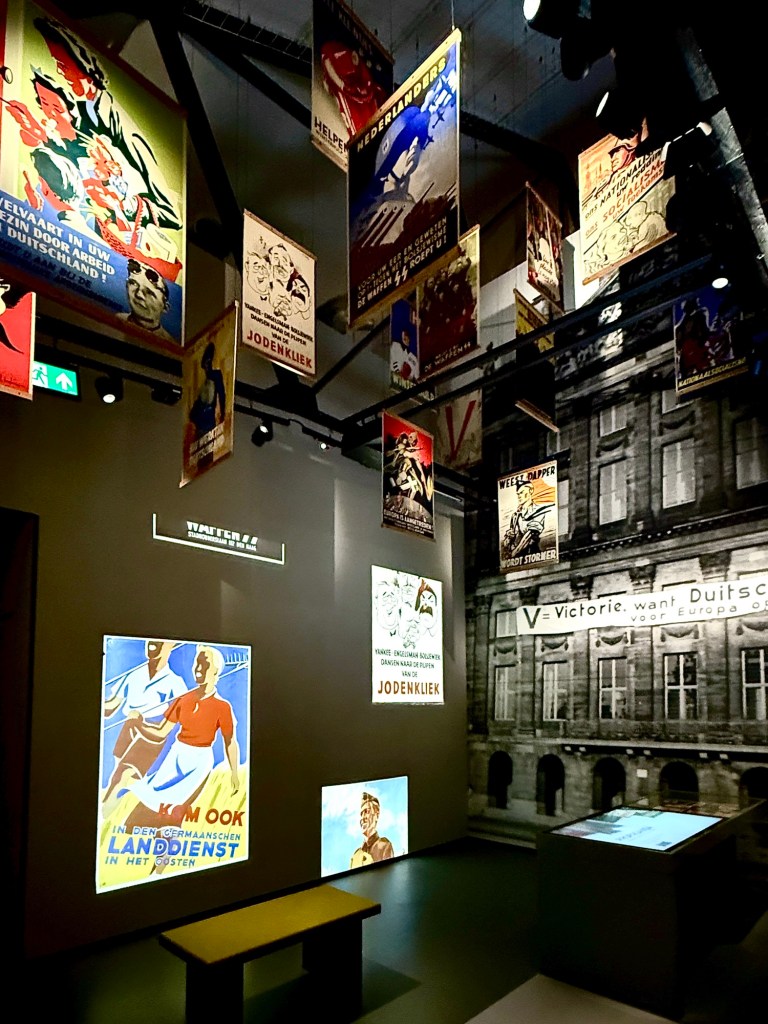
The Resistance Museum in Amsterdam is also a powerful telling of the path the world took leading to this holocaust. There were those who stood up and sacrificed their safety to hide, feed and organize the effort to save Jewish friends, neighbors and countrymen.
Resistance workers faced arrest and deportation or death in the camps. It is a powerful telling of the initially insidious but ultimately blatant horrific acts and of those who stood up to protect human life.
A short train ride from Amsterdam, to Haarlem, there is the Corrie ten Boom museum. Corrie’s family, a devout Christian family, had a watch shop and were known to have an open door to anyone who needed help.
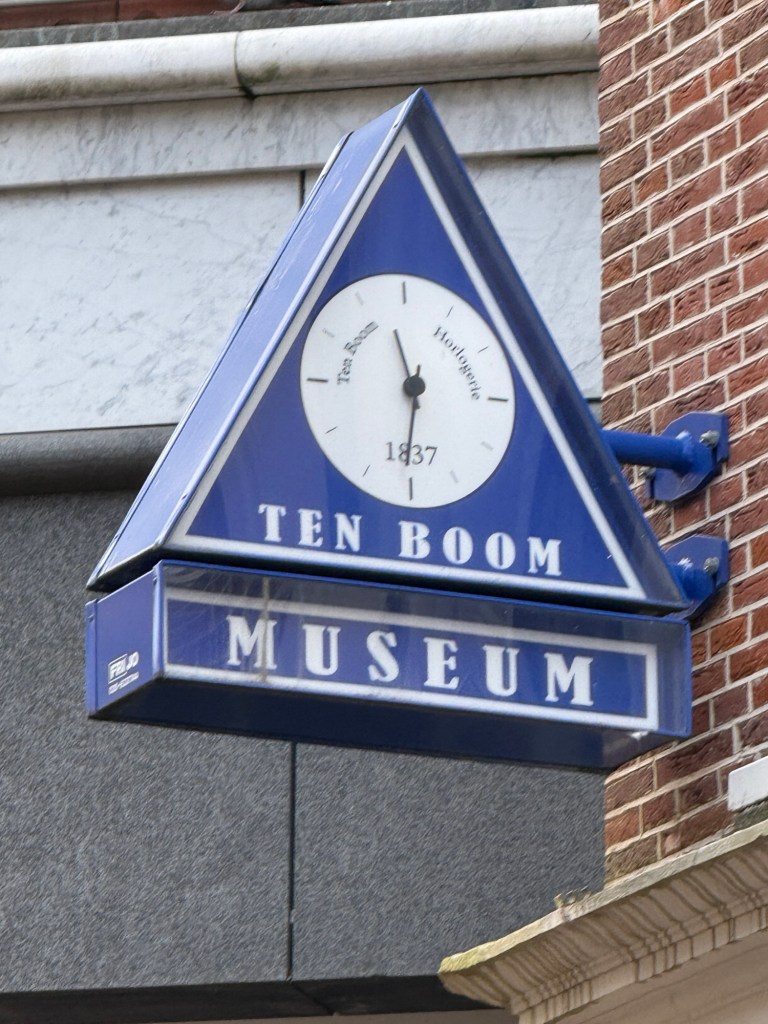
As the tide shifted, and the Nazi stronghold took place, she, then a single woman in her fifties, rose to organize an underground network of resistance fighters. Along with her father and siblings, nephews and local people willing to take stand, she got ration cards, food coupons, false identifications, places to stay and places to hide. Her own bedroom hid 6 people and kept them safe for days while she and her family were arrested.

Several members of her family died as a result of their confinement. Corrie and her sister Betsie were sent to Ravensbruk where Betsie died. Corrie survived and wrote several books telling of the horror and of the power of God through out. She traveled the world as a missionary speaking out on forgiveness and faith.
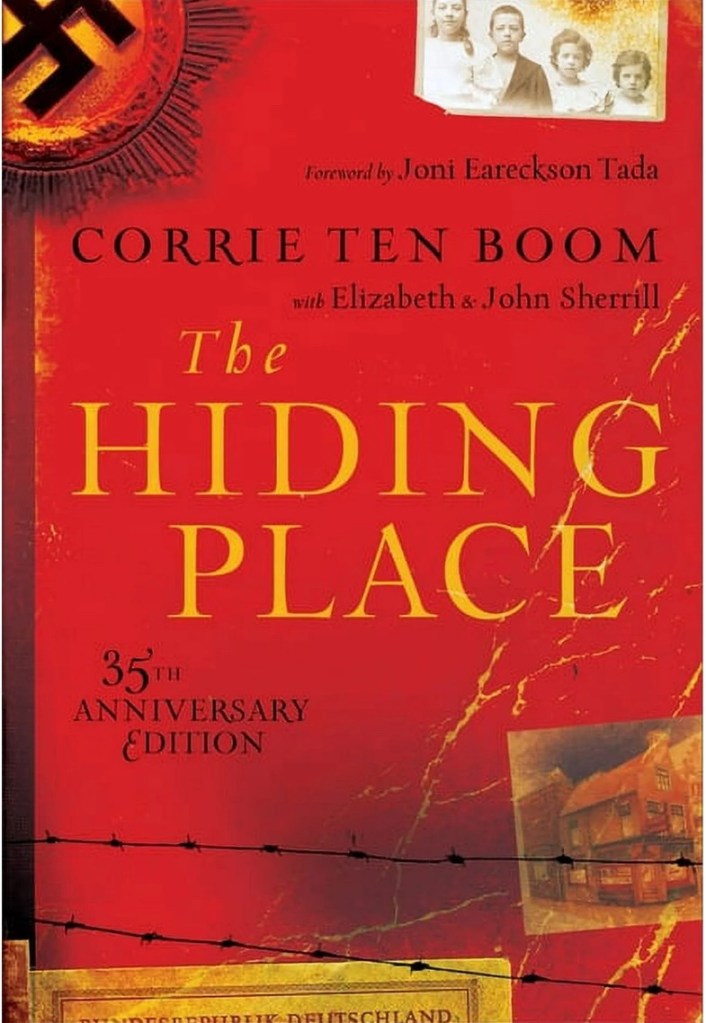
Her own book, The Hiding Place, which chronicles her story is the story that brought us to Haarlem to tour her house/museum. Guided by a local docent, it is a very personal and poignant look into the good and evil of the world and a testament to everyday people who can make a difference.
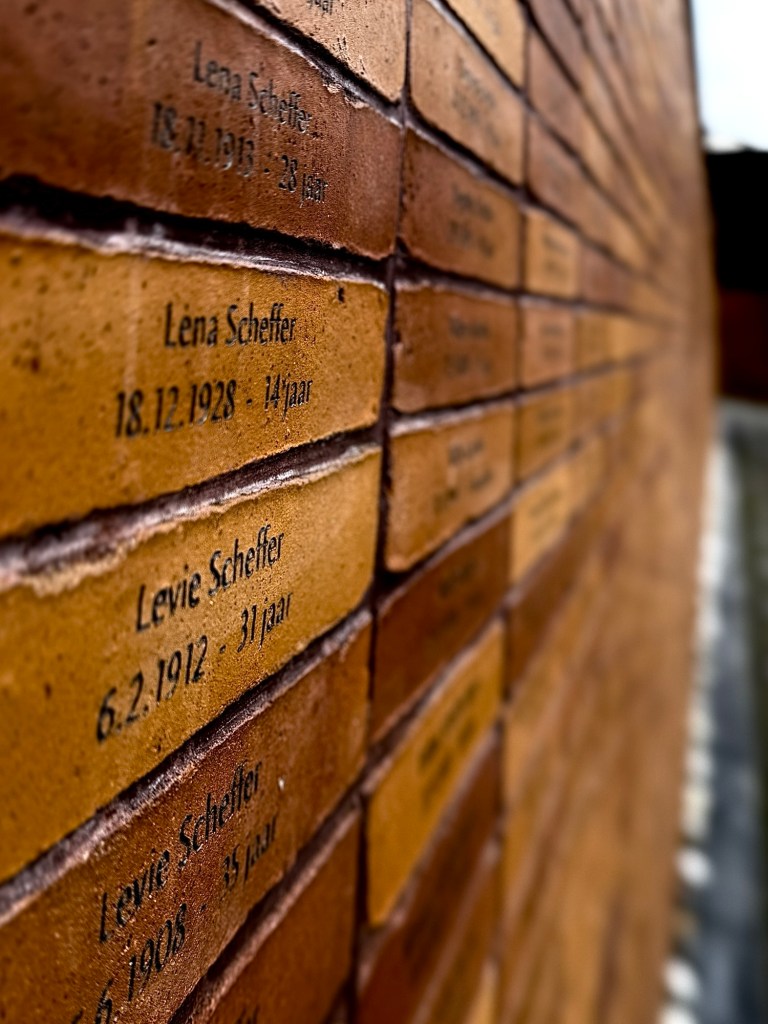
In Amsterdam, in the areas that were heavily populated by Jews, there are brass tiles in the sidewalks outside the houses or along the canals. Each time bears the names and date of a person who was taken from that home, deported and died. It is easy to miss at first, then hard not to see.
In today’s world, where history often feels like it risks repeating itself, Amsterdam’s past stands as both a warning and a call to action. These sites are well worth your time—offering lessons in resilience, sacrifice, and the enduring power of human decency.

 Maureen and David’s Travel Blog
Maureen and David,
This is just beautiful. What a testament to YOUR faith! Keep spreading the Good News.
Love,
Michael
LikeLike
Thanks! Amen!
LikeLike